

Selling Life Insurance After a Brain Tumor Diagnosis

If you or a loved one has been diagnosed with a brain tumor, you may be wondering what financial options are available to help cover treatment costs, long-term care, or other expenses. Selling life insurance after a brain tumor diagnosis is one option that may provide immediate cash without taking on new debt or liquidating other assets.
Life settlements and viatical settlements allow qualifying policyholders to sell their existing life insurance policy to a licensed buyer in exchange for a lump-sum payment. The buyer takes over premium payments and receives the death benefit later. For individuals facing serious health conditions like brain tumors, this can be a practical solution for managing ongoing financial challenges.
Who Qualifies?
Eligibility depends on the type of brain tumor (malignant or benign), the stage or grade, and how the diagnosis has impacted life expectancy. High-grade glioma, glioblastoma, metastatic brain tumors, and other malignant or inoperable forms are more likely to meet life settlement or viatical settlement criteria. Even in cases where the tumor is benign, but the patient is experiencing significant neurological decline or complications, a policy may still hold value.
Most buyers look for the following:
- A life insurance policy with a face value of $100,000 or more
- A decline in health since the policy was issued
- Life expectancy generally under 10 years for life settlements
- A terminal diagnosis for viatical settlement eligibility
Common Treatments for Brain Tumors
The cost of treating a brain tumor can be substantial. Depending on the tumor type and location, treatment may include:
- Surgery – Often the first step if the tumor is operable. Procedures like craniotomy are used to remove as much of the tumor as possible.
- Radiation therapy – Used to destroy remaining cancer cells or shrink inoperable tumors. This may involve external beam radiation or stereotactic radiosurgery
- Chemotherapy – Drugs like temozolomide (Temodar) are commonly used, sometimes in combination with radiation.
- Targeted therapy – In some cases, medications that block specific tumor growth factors may be prescribed.
- Clinical trials – Some patients pursue experimental treatments not typically covered by insurance.
- Supportive care – Including physical, occupational, or speech therapy, as well as home health services or memory care when cognitive decline occurs.
Even with insurance, out-of-pocket expenses for these treatments can add up quickly from copays and deductibles to travel costs and lost wages.
How Much Can You Get?
The amount offered for a life insurance policy varies depending on several factors, including the insured’s age, health status, type and size of policy, and current premium obligations. Policies with lower premiums and higher face values tend to receive better offers. The stage and prognosis of the brain tumor also play a significant role in determining the payout.
Common Reasons to Sell
Many families consider selling a policy to:
- Pay for brain surgery, radiation, chemotherapy, or clinical trials
- Offset income loss due to inability to work
- Cover in-home care, assisted living, or hospice
- Eliminate financial strain on caregivers or loved ones
If you’re facing high medical costs or reduced income after a brain tumor diagnosis, selling your life insurance policy may provide meaningful financial support during a difficult time. Please give us a call at 800-727-7654 to learn if you qualify and to obtain a no-obligation policy appraisal.




 Learn the benefits of life settlements vs surrender value and which option is best for you.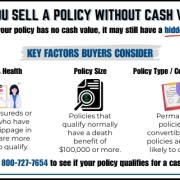
 Do You Qualify?